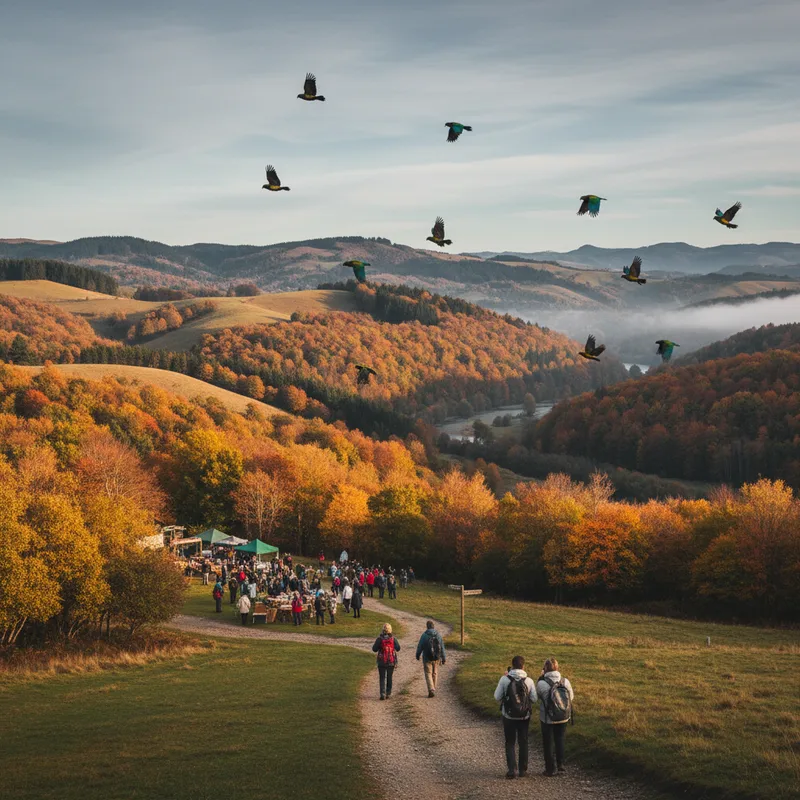
New Zealand's tourism industry is making a concerted push to redefine the traditional travel calendar, positioning autumn as the country’s premier season for discerning visitors seeking to avoid summer crowds and experience a different side of the country.
The months of March, April, and May, long considered a quiet shoulder period after the hectic summer rush, are being rebranded as a time of mild weather, spectacular natural beauty, and unique seasonal events. This strategic shift aims to distribute the flow of tourists more evenly throughout the year, easing pressure on infrastructure during the peak months of December to February and creating a more sustainable, year-round tourism economy.
While international visitors have historically flocked to New Zealand for its summer sun, the case for an autumn visit is compelling. The season offers a landscape transformed by colour, significantly smaller crowds at major attractions, and more readily available accommodation. The experience is one of a calmer, more accessible New Zealand, where the country’s renowned hospitality and natural splendour can be enjoyed at a more relaxed pace.
A climate for exploration
A key appeal of an autumn visit is the climate, which remains remarkably pleasant long after the summer holidaymakers have departed. In March, temperatures across the country typically range from a comfortable 17°C to 23°C, gradually cooling to between 12°C and 16°C by May. These mild conditions are ideal for outdoor activities like hiking and sightseeing, without the intensity of the mid-summer sun.
While daylight hours begin to shorten, March and April still provide ample light for full days of exploration. Regional weather patterns also play to the autumn traveller's advantage. The east coasts of both islands, including Hawke’s Bay, Marlborough, and Canterbury, tend to be drier and sunnier during this period. Even the traditionally wetter West Coast offers its own reward, with autumn rainfall fuelling its spectacular waterfalls.
The cooler evenings, particularly in the South Island interior, add to the autumn charm, creating the perfect atmosphere for enjoying the region’s celebrated food and wine. For locals and visitors alike, the season represents a golden opportunity to explore regions like Central Otago, which are just a short drive from Dunedin and offer some of the country’s most dramatic landscapes. For those planning an excursion, there are many options for excellent day trips from Dunedin to experience the changing season.
Harvest season brings wine regions to life
Autumn is synonymous with harvest, and for New Zealand's world-famous wine regions, this is their time to shine. March and April see the vineyards of Marlborough, Central Otago, and Hawke's Bay at their absolute peak, both for viticulture and visual splendour. The rows of vines turn brilliant shades of gold, amber, and deep red, creating a stunning contrast with the surrounding landscapes.
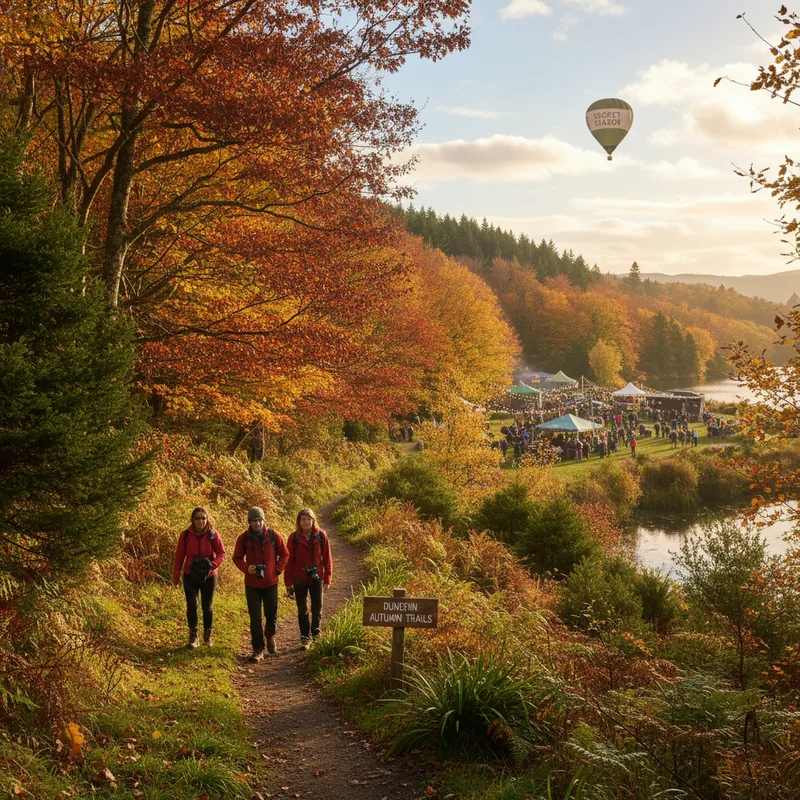
In Marlborough, the heart of the country's Sauvignon Blanc production, the valleys are striped with gold. Further south, Central Otago’s Pinot Noir blocks are set against dramatic, snow-dusted mountains. This combination has become a major drawcard for photographers and wine enthusiasts, who travel specifically to capture the seasonal display. Cellar doors are busy, offering tastings of new vintages, and local restaurants showcase the best of the seasonal produce.
On the North Island, the Hawke's Bay region, known for its superb red wines, hosts a harvest festival in March that attracts an international following. This focus on wine tourism is a critical part of the broader strategy to attract high-value visitors in the shoulder seasons. According to industry bodies, wine tourism contributes significantly to the national and regional economies, supporting local communities and providing year-round employment.
Quieter trails and golden forests
For outdoor adventurers, autumn provides ideal hiking conditions. The country’s popular Great Walks, which are often fully booked months in advance during summer, have greater availability in March and April. The tracks themselves are quieter, offering a more serene and immersive natural experience, a quiet mirrored in the daily lives of communities like South Auckland's, where daily prayer times provide rhythm.
The trails that pass through native beech forests, such as the Routeburn and Milford Tracks, offer a particularly unique autumn tramp. The forests are transformed into a sea of gold and rust, a starkly different experience from the uniform green of summer. Similarly, the Tongariro Alpine Crossing typically offers clear, still days and excellent visibility through April, with the low autumn sun making the famous crater lakes appear even more vibrant.
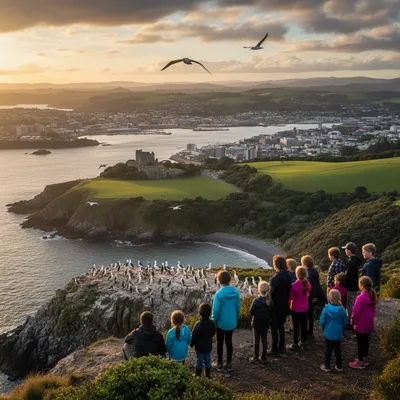
Nearer to Dunedin, the Otago Peninsula's wildlife also presents unique autumn opportunities. Yellow-eyed penguins return to their nesting sites, and the royal albatross colony at Taiaroa Head remains a hub of activity. The cooler, clearer days are perfect for exploring the peninsula's rugged coastline and scenic walkways.
A strategic shift for tourism
This promotion of autumn travel is part of a deliberate, nationwide effort to build a more resilient tourism sector. Tourism New Zealand has openly stated its goal is to encourage travel in the off-peak seasons to manage capacity and enhance the visitor experience. By spreading demand across the year, the industry can reduce the environmental and social pressures that have been felt in popular destinations like Queenstown and Milford Sound during the summer peak.
The visual appeal of autumn is a significant asset in this strategy. The vivid colours of towns like Arrowtown, with its historic oak and elm trees, and the Mackenzie Basin's yellow poplars set against turquoise lakes, are highly photogenic. In an era dominated by social media, these unique scenic opportunities provide powerful, organic marketing for the season. This aligns with broader global travel trends, such as the rise of large-scale community events that draw international crowds.
Looking ahead, as travellers seek more authentic and less-crowded experiences, the appeal of New Zealand in autumn is expected to grow. The combination of favourable weather, stunning scenery, and rich cultural and food experiences provides a compelling alternative to the traditional summer holiday, a fact the country's tourism industry is now enthusiastically promoting. For more information on creating a sustainable tourism model, Tourism New Zealand provides resources on its official goals and strategies.