A landmark report has detailed the monumental scale of work required to protect South Dunedin from flooding, outlining options with price tags stretching from $620 million to more than $1.7 billion. The report warns that while the risk can be significantly reduced, it cannot be eliminated, and "difficult choices" lie ahead for the community and its leaders.
The high-level technical report, commissioned by the Otago Regional Council (ORC) and the Dunedin City Council (DCC) and undertaken by consultants Tonkin + Taylor, presents four main "pathways" to mitigate the ever-present threat of water in the low-lying area, which is home to about 13,000 people.
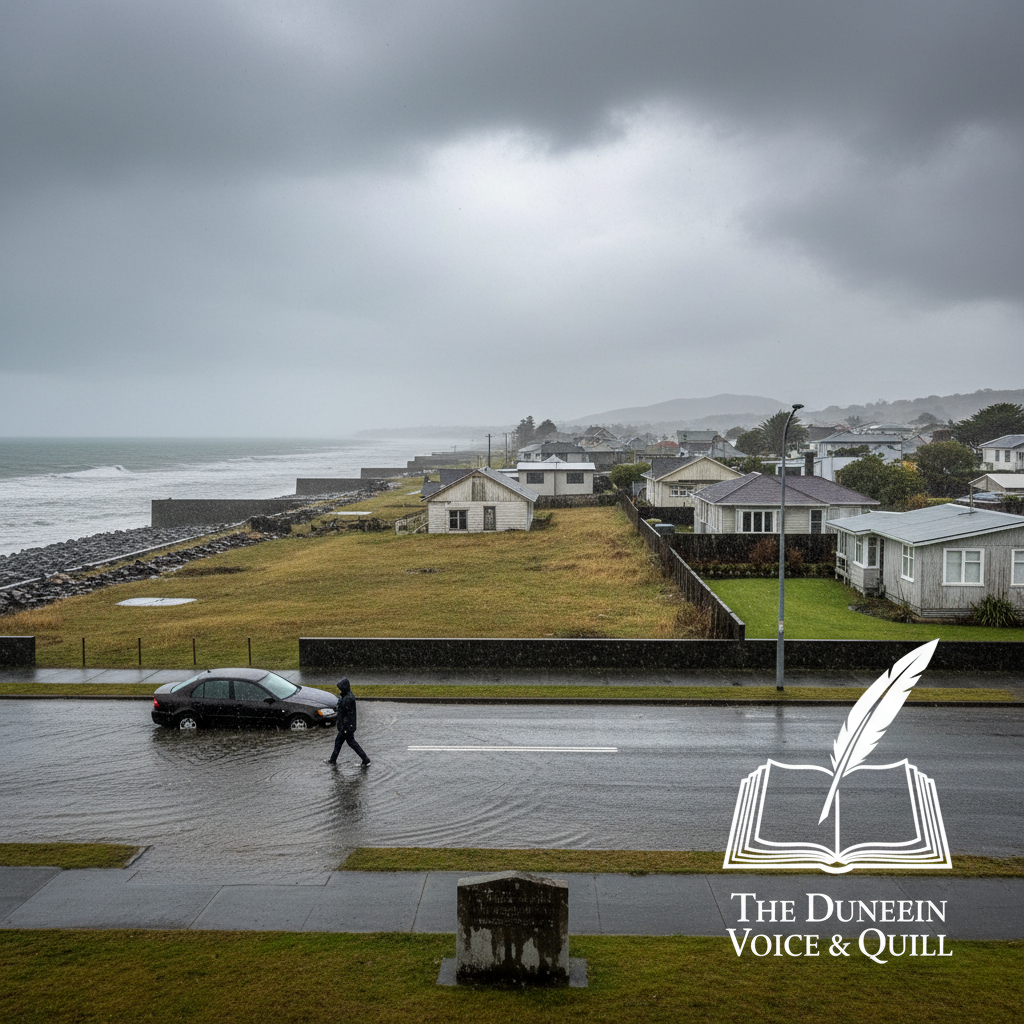
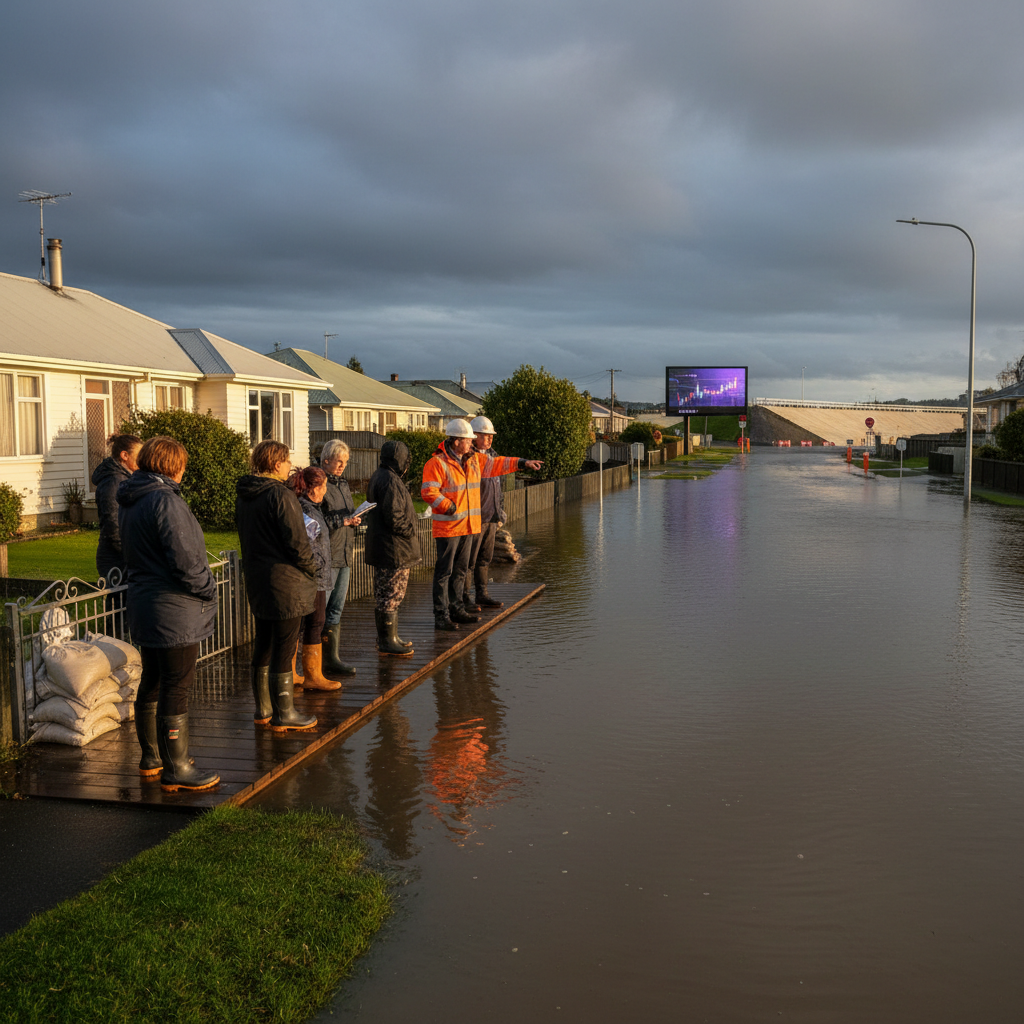
Historically reclaimed from swamp and estuary, South Dunedin sits with a high water table, making it uniquely vulnerable to both heavy rainfall and the long-term effects of sea-level rise. The devastating floods of June 2015, which inundated more than 1,200 properties and caused widespread damage, serve as a stark reminder of the suburb’s precarity.
Four pathways to protection
The report models four primary strategies, each with vastly different approaches, costs, and outcomes. The first, "Block the path," involves building physical barriers like dams in upper rural catchments and coastal defences. This is estimated to cost around $620 million and could reduce flood damage by 40 to 70 per cent, though its benefit-cost ratio (BCR) is a low 0.2.
A second pathway, "Improve drainage," would focus on enhancing the existing stormwater network with larger pipes, new pump stations, and underground storage tanks. At an estimated cost of $800 million, this option offers the highest benefit-cost ratio of 0.8 and could cut flood damages by up to 90 per cent. This approach tackles the hazard by more efficiently removing water that enters the area.
Finally, the report considers "Managed retreat," the most complex and costly option. This would involve relocating people, homes, and critical infrastructure out of the highest-risk areas. With an estimated cost of $830 million to $1.7 billion, it would eliminate risk in the vacated zones but comes with the lowest BCR of 0.1-0.2 and profound social and economic consequences.
No single solution
'A national issue'
The immense costs associated with every potential pathway mean that local ratepayers cannot be expected to foot the bill alone. Cr Robertson is clear that turning any of these plans into reality will require substantial support from central government. The challenge facing Dunedin is reflective of a wider national and global problem as coastal communities grapple with the realities of a changing climate. Decisions made here could set a precedent for how New Zealand manages climate adaptation in other vulnerable areas. The government has been developing a national adaptation plan to address these issues, but federal funding for climate initiatives is also a key point of discussion.
Next steps
The report is not a final plan but a "conversation starter," intended to inform and guide discussions with the South Dunedin community, mana whenua, and the wider city. The ORC and DCC will now work together to develop a "programme business case" based on the report's findings.
This next phase will involve significant public engagement to refine the options and build a preferred programme of works that reflects the community's values and priorities. This business case will then form the basis of formal funding requests to both local councils and central government.
The process will involve difficult conversations about cost, disruption, and the very future of how and where people live in the southern end of the city. For the residents and businesses of South Dunedin, the release of the report marks a critical step in a long journey towards a more resilient future.