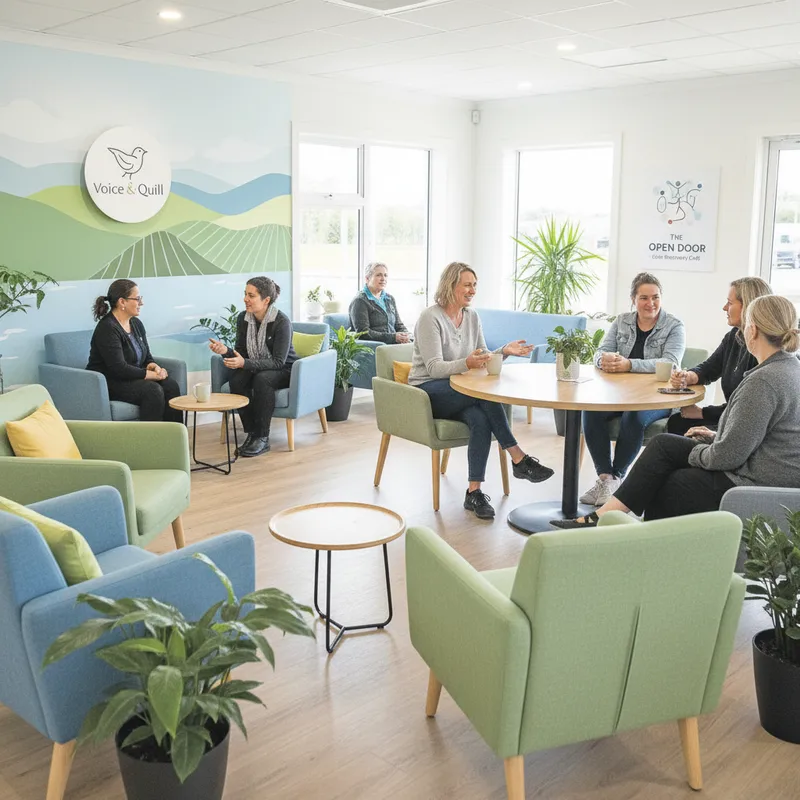
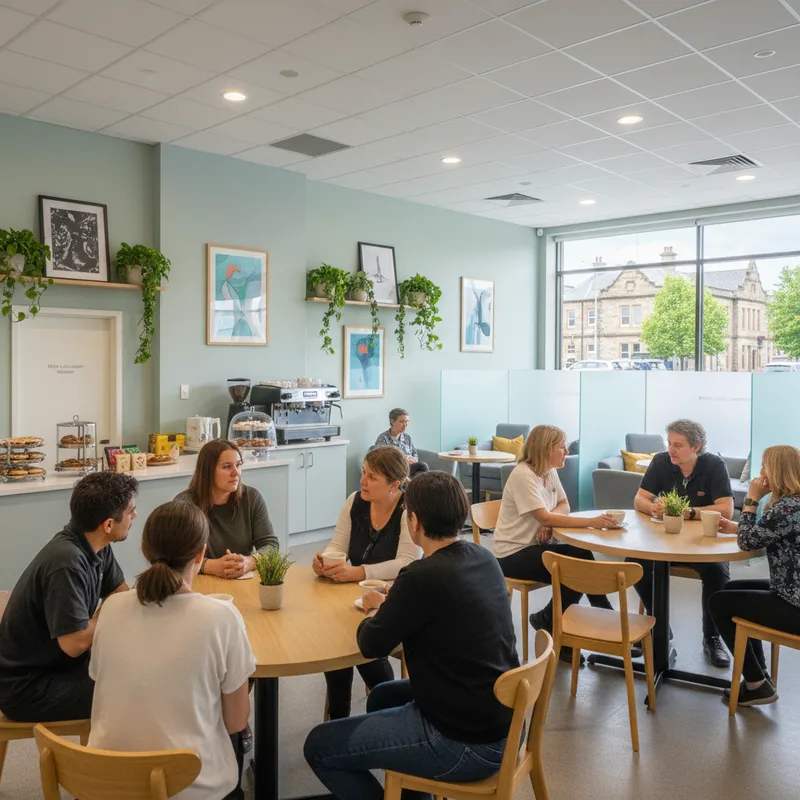
A new mental health service is set to open in Dunedin, offering a calm, non-clinical alternative for people experiencing mental distress. Minister for Mental Health, Matt Doocey, announced the establishment of a Crisis Recovery Café, which will be the second of its kind in the South Island.
The café model is designed to provide a safe and supportive environment for individuals facing mental health or addiction challenges, diverting them away from typically stressful hospital emergency departments. Mr Doocey noted that feedback from people with lived experience was a key driver for the initiative.
'Sitting in a brightly lit, busy emergency department is not the best environment to be in when in mental distress,' Mr Doocey says. 'That’s why we are rolling out Crisis Cafés across the country, which offer an alternative calm, peer-led, non-clinical space to go to for support.'
A peer-led alternative to emergency departments
A defining feature of the Crisis Recovery Café is its peer-led approach. The service will be staffed by specially trained support workers who have personal, lived experience of mental distress and recovery. This model aims to foster a deeper level of connection and understanding, reducing the stigma that can often be a barrier to seeking help.
By creating a space where individuals are supported by those who have walked a similar path, the cafés foster an environment of empathy and hope. The peer workers can offer both practical support and a powerful sense of solidarity, showing guests that recovery is possible.
It has been heartening to hear the positive feedback about the peer support roles. One that has stayed with me was a worker reflecting on her own experience, she told me peer support services are exactly what she wishes she had when she was struggling, someone who can say, I see you, I hear you, I know what you’re going through.
This approach moves away from a purely clinical response, which can feel intimidating and impersonal. Instead, it focuses on human connection as a cornerstone of crisis care, a sentiment echoed by Mr Doocey as a core reason for the government's focus on expanding the use of peer support workers in a variety of mental health settings.
Otago Mental Health Support Trust to run service
The service will be run by the Otago Mental Health Support Trust, a well-established local organisation with nearly four decades of experience in the community. Mr Doocey praised the Trust as an example of a community-based solution that the government is committed to backing.
'Communities know what works best for them. That’s why I have always said the solutions already exist within our community organisations, they just need the opportunity be backed,' Mr Doocey says.
Beyond immediate crisis support, the café will play a crucial role in providing 'wraparound support'. Staff will help connect individuals with other community services and long-term support networks, helping them navigate what can often be a complex and overwhelming system. This function is particularly vital in a city like Dunedin, with its diverse population including a large number of students who may be living away from their usual support systems. Finding stable housing and managing daily life can be a significant stressor, making accessible mental health services even more critical. For many, navigating the complexities of flatting in Dunedin adds another layer of pressure. In a tragic display of the dangers young people face, a teenager died after being involved with a stolen car.
How the new crisis cafés will operate
The Crisis Recovery Café will operate from two separate locations in Dunedin: one in the Northeast Valley and another in South Dunedin. This dual-site approach is intended to improve accessibility for residents across the city.
The Northeast Valley site will be the first to open, with its initial session this Saturday, 18 April, from 5:30 pm to 10:00 pm. Following this launch, its regular operating schedule will commence on Tuesday, 28 April, running on both Tuesdays and Saturdays from 5:30 pm to 10:00 pm.
The second site in South Dunedin is scheduled to open during the second week of May. It will follow the same operating schedule, welcoming guests on Tuesdays and Saturdays between 5:30 pm and 10:00 pm. Combined, the two sites will provide 16 hours of service per week.
Further details on the specific locations of the cafés can be found on the Otago Mental Health Support Trust website.
Part of a wider national strategy
The establishment of the Dunedin café is part of a broader government plan to improve mental health crisis response across New Zealand. It follows the opening of the South Island's first such café in Christchurch just a day earlier, indicating a deliberate rollout of the model.
Mr Doocey stated that the cafés are a component of a recently announced crisis response package. This wider strategy also includes increasing the number of clinical workers in crisis assessment teams, launching other peer-led acute alternative services, and embedding additional peer support workers within hospital emergency departments and eating disorder services.
The government's stated goal is to deliver faster access to mental health support through a larger frontline workforce and a more effective, multi-faceted crisis response system. This acknowledges that a one-size-fits-all approach is insufficient for addressing the country's mental health challenges. Organisations like the Mental Health Foundation of New Zealand have long advocated for a wider range of accessible community-based services.
By better utilising peer support workers in a range of settings, the government aims to create a more compassionate and effective mental healthcare system that meets people where they are, in a way that truly supports their recovery.