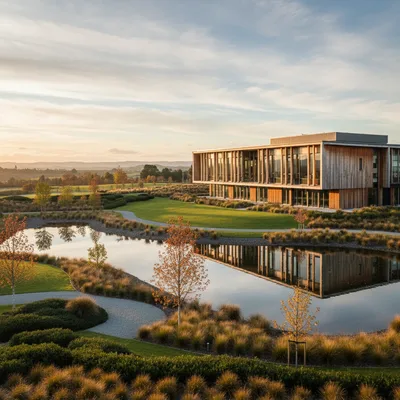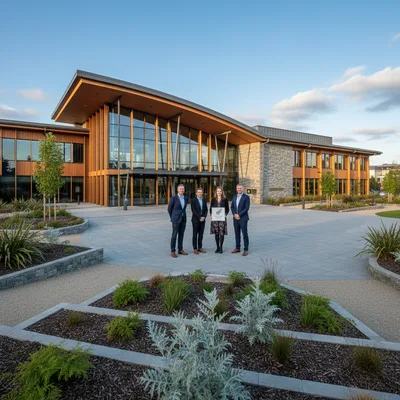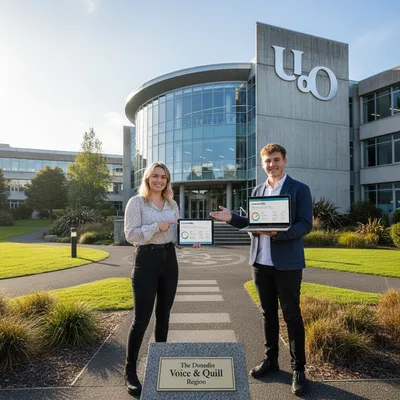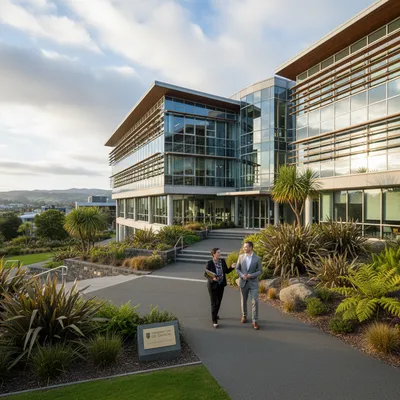
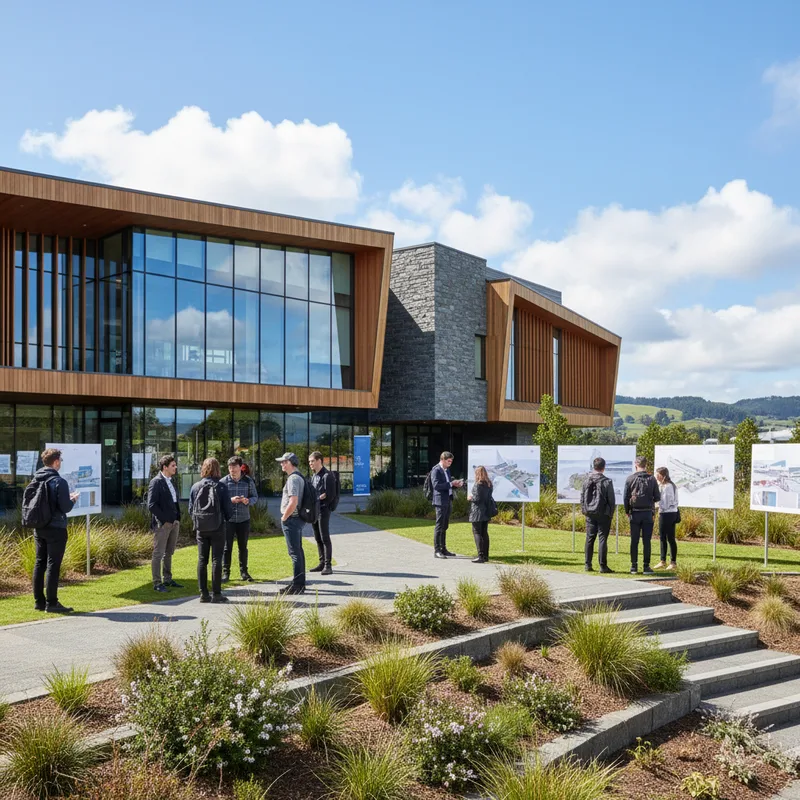
The University of Otago is calling for broad public consultation as it begins to refresh its Campus Master Plan, a long-term framework that will guide the development of its physical spaces for years to come. Students, staff, alumni, and the wider community are being encouraged to share their vision for the university's future environment, ensuring it meets the evolving needs of a world-class educational institution.
The current master plan, adopted in 2010, has successfully steered more than a decade of significant developments across the university's campuses. However, university officials state the time is right to forge a new path that acknowledges a dramatically different modern landscape.
Acting Director of Property and Campus Development, Gordon Roy, says that while many of the 2010 plan's ambitions have been realised, the institution now operates in a changed environment. The new plan aims to be both aspirational and practical, creating a vision for the future that is grounded in financial and environmental sustainability.
A plan for a changing world
The refresh of the master plan comes at a critical juncture for the tertiary sector. In the years since the last plan was written, universities globally have navigated immense shifts, including the impacts of a global pandemic, increased international competition for students and staff, and significant financial pressures that demand smarter, more efficient use of resources.
Mr Roy says the new plan will adopt a strategic and responsive approach to campus planning. It will seek to define the unique character and purpose of each of Otago’s campuses, establishing clear priorities to guide future investment and development. A key focus will be on strengthening partnerships with the community and ensuring the university’s physical presence contributes positively to its surroundings.
This strategic overhaul is also deeply connected to the university's core institutional goals. The updated master plan will be designed to reflect and actively support Vision 2040, the university’s long-term strategic direction, and Pae Tata, its current action plan. It will also be integral to honouring the university's commitment to becoming a Te Tiriti-led institution, ensuring that Māori values and perspectives are woven into the fabric of the campus itself.
Community voice at the heart of the process
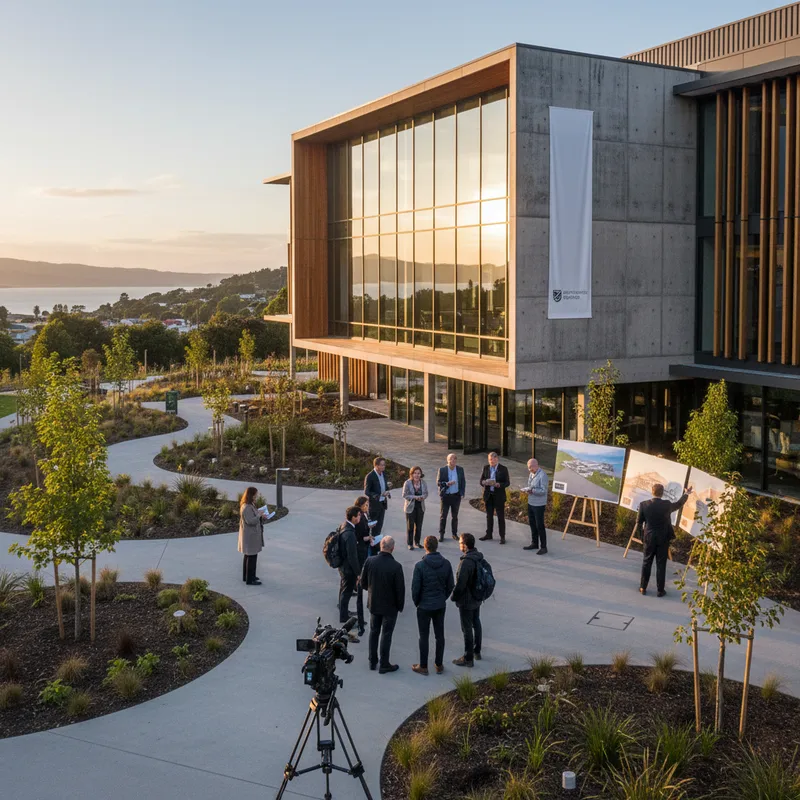
To capture the diverse perspectives of its community, the university is rolling out a multi-staged engagement process. Initial discussions with key stakeholder groups, including mana whenua, began late last year. Now, with the academic year underway, the consultation has been widened to include students, alumni, and all members of the public.
A public survey, available on the University of Otago website until 31 March, invites people to share what they value most about the current campus spaces and what they hope to see in the future. To specifically capture student feedback, several pop-up events will also be held on the Dunedin campus over the coming weeks.
Feedback is expected to cover a wide range of topics, from the quality of teaching and learning environments to the provision of social spaces, heritage preservation, and biodiversity. Local interest groups, such as cycling advocates, have already highlighted opportunities to improve active transport infrastructure, calling for more secure and covered bicycle parking and safer cycling routes to and from the campus. The university has emphasised that this kind of specific, practical feedback is highly encouraged.
Building more than an institution
The master plan refresh extends beyond the academic and research functions of the university, considering its role as a central part of Dunedin's identity. Mr Roy highlighted the importance of these broader considerations, including how the university's campuses can better serve the cultural and social life of the wider community. The plan will explore how to enhance the connection between the university and the city, a relationship vital for a thriving Dunedin, as exemplified by Brampton's recent $64M federal boost for a new recreation hub.
Modern campus planning increasingly focuses on creating integrated, multi-functional environments that promote collaboration, well-being, and community engagement. This involves designing spaces that are not only fit for purpose but are also welcoming, accessible, and vibrant. The university's commitment to improving its physical spaces is also a key factor in attracting and retaining top academic talent, an area previously recognised with teaching excellence awards.
This is an opportunity to imagine what the next generation of Otago campuses could be.
The feedback gathered during this initial consultation phase will be analysed alongside existing university strategies and policies to develop potential planning options. Over the coming months, these emerging themes and design concepts will be shared with the community for further input.
Once finalised, the completed Campus Master Plan will be communicated publicly, accompanied by a clear roadmap for implementation and future reviews. Mr Roy says the university looks forward to hearing from its communities to help create a shared vision for its future places.