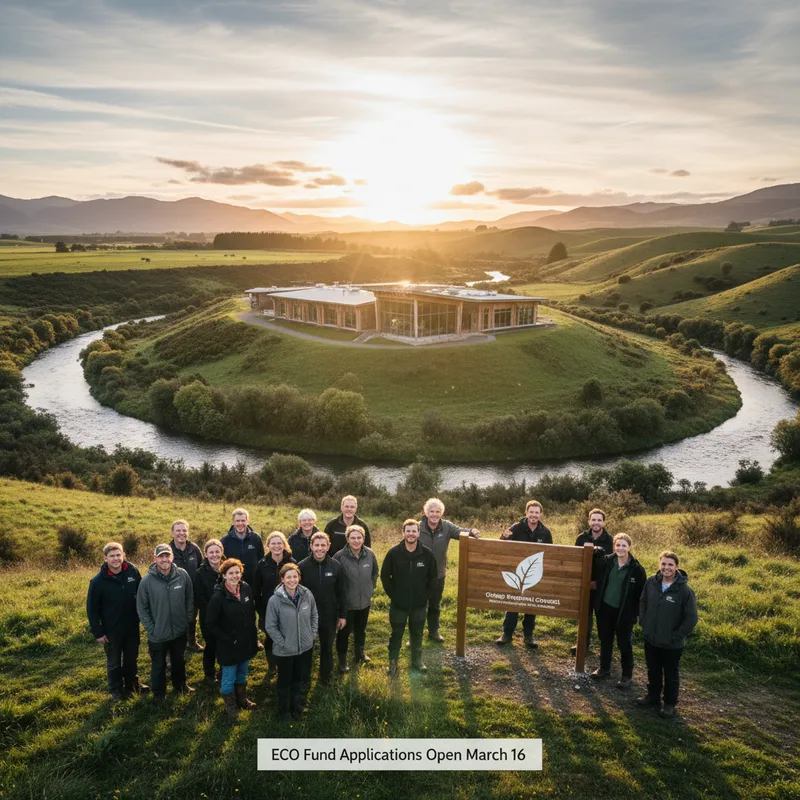
The Otago Regional Council (ORC) will open its latest funding round for environmental projects on March 16. The ECO Fund provides financial support for initiatives that protect or restore the natural environment across the Otago region. Groups and individuals can apply for grants to cover costs related to administrative work, materials, and labour for land and water projects. Council staff are encouraging applicants to prepare their proposals ahead of the mid-March opening date. The fund targets projects that align with the council's broader goals of maintaining biodiversity and improving water quality. This includes work on both private and public land that offers a clear benefit to the regional environment.
Focus on biodiversity and water quality
The ECO Fund supports a wide range of activities including predator control, native planting, and habitat restoration. By providing these grants, the council aims to assist those doing practical work on the ground. This often involves small-scale groups who lack the capital for large equipment or professional consultancy fees. Maintaining Otago's environment is a core part of the council's mandate. The Otago Regional Council oversees the health of regional waterways and ecosystems while ensuring local activities comply with environmental legislation. This funding round is one of several tools used to encourage active participation in conservation. The council also monitors environmental data to track the progress of these initiatives. Real-time information on riverflow and rainfall helps the council and the public understand the physical pressures on the local landscape. These figures often dictate which areas require the most urgent environmental intervention.
Partnerships and regional goals
Successful applicants often work in tandem with other regional strategies. The council operates in partnership with mana whenua, specifically through its relationship with Kāi Tahu. This ensures that environmental projects respect the cultural and historical significance of the land. Applicants are often encouraged to consider these partnerships when drafting their project plans. The fund also addresses the "say-do gap" often seen in environmental efforts. While many residents express a desire for better conservation outcomes, the cost and logistics of starting a project can be a barrier. Similar initiatives, such as how a Queenstown operator targets sustainability gaps, show that financial backing is often the missing link in turning plans into action. Beyond the ECO Fund, the ORC manages several other environmental and public services. This includes the Orbus transport network and the Enviroschools Otago programme. These different branches of the council work together to reduce the overall environmental footprint of the region's population.
How to apply for funding
Applications must be submitted through the council's online portal starting March 16. The council recommends that applicants provide detailed breakdowns of their expected costs and the specific environmental outcomes they hope to achieve. This transparency helps the selection committee prioritise projects with the highest potential impact. The council’s various newsletters, such as On Stream and the Regulatory Newsletter, provide updates on previous successful projects. These case studies often serve as a guide for new applicants. Seeing how other groups have used the funds for fencing or weed management can help first-time applicants structure their own bids. Other regions are also preparing for their upcoming seasonal environmental and community programs. For example, the TRCA announces 2026 winter events and festivals to engage the public with nature. While the contexts differ, the goal of connecting people with their local environment remains a consistent priority for regional authorities.
Monitoring and future steps
Once grants are allocated, the council continues to monitor the health of the region. Information regarding water quality alerts is regularly updated on the Land, Air, Water Aotearoa (LAWA) website. This data allows the council to see if funded restoration projects are having a measurable effect on water safety and ecosystem health. The ECO Fund round will remain open for several weeks following the March 16 start date. Interested parties can find the full criteria and application forms on the council's official website. Following the close of applications, a committee will review the submissions before announcing the successful recipients later in the year.