Dunedin is preparing to celebrate its world-renowned natural environment as the Wild Dunedin festival makes its return from 10 to 19 April. The annual New Zealand Festival of Nature promises a packed programme of events designed to connect people with the wildlife and stunning landscapes of the Ōtepoti region.
Now in its eleventh year, the festival has become a cornerstone of the city's calendar since its inception in 2016. It works with a wide range of community groups, conservationists, scientists, and local businesses to showcase the rich biodiversity that makes Dunedin known as the wildlife capital of Aotearoa. The core mission remains to foster a deeper appreciation for nature and to celebrate the dedicated people working to protect it, from those planting native species to those helping local animal populations to flourish.
The 2026 festival features over 100 events, catering to all ages and interests. The programme includes everything from hands-on family activities and expert-led wildlife tours to insightful talks, art exhibitions, and special deals across the city, providing opportunities for both locals and visitors to explore the region's natural treasures. It builds on a decade of successful events that have consistently highlighted the importance of local conservation and scientific efforts, such as the University of Otago's ongoing work to map campus biodiversity.
Family-friendly activities and school holiday deals
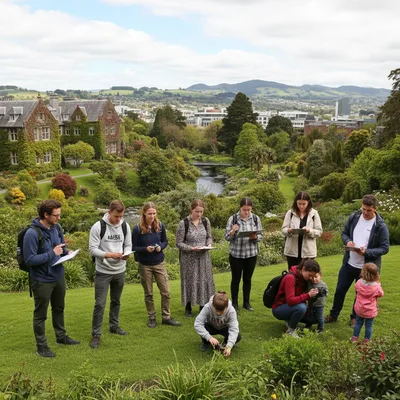
With the festival coinciding with the school holidays, there is a strong focus on engaging young nature enthusiasts. Several local attractions are offering special deals to make exploration more accessible for families. Larnach Castle is running a 'Plant Detectives' challenge, where children can enter for free, solve clues in the historic gardens, and go in the draw to win a Children's High Tea.
Similarly, the Orokonui Ecosanctuary is offering free entry for kids throughout the festival period. Visitors can grab an autumn scavenger hunt map and explore the protected cloud forest, which is home to a wide array of native birds and reptiles. For those looking to the stars, the Perpetual Guardian Planetarium at Tūhura Otago Museum is offering a special price of $9 for adult tickets to its spectacular shows, matching the children's price.
Other family-oriented events include a Treasure Hunt on Quarantine Island/Kamau Taurua and the ever-popular First Flight butterfly release at the Tūhura Otago Museum, offering a magical experience for all ages.
Up-close encounters with Otago's iconic wildlife
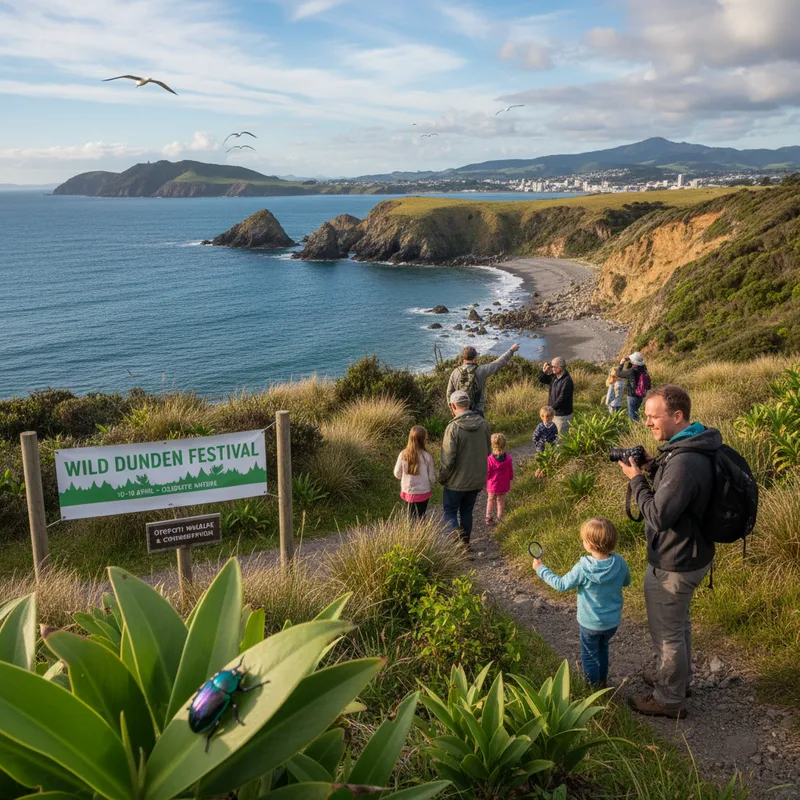
A major drawcard of the festival is the chance to see Otago's unique wildlife up close. Several tour operators are providing discounted access to otherwise difficult-to-reach areas. The Otago Peninsula Eco Restoration Alliance (OPERA) is offering a 50% discount on its 1.5-hour guided tour of a private ecosanctuary, which includes insights into conservation work and a visit to an on-site penguin rehabilitation facility. In other wildlife news, a king penguin recently made a 4000km journey.
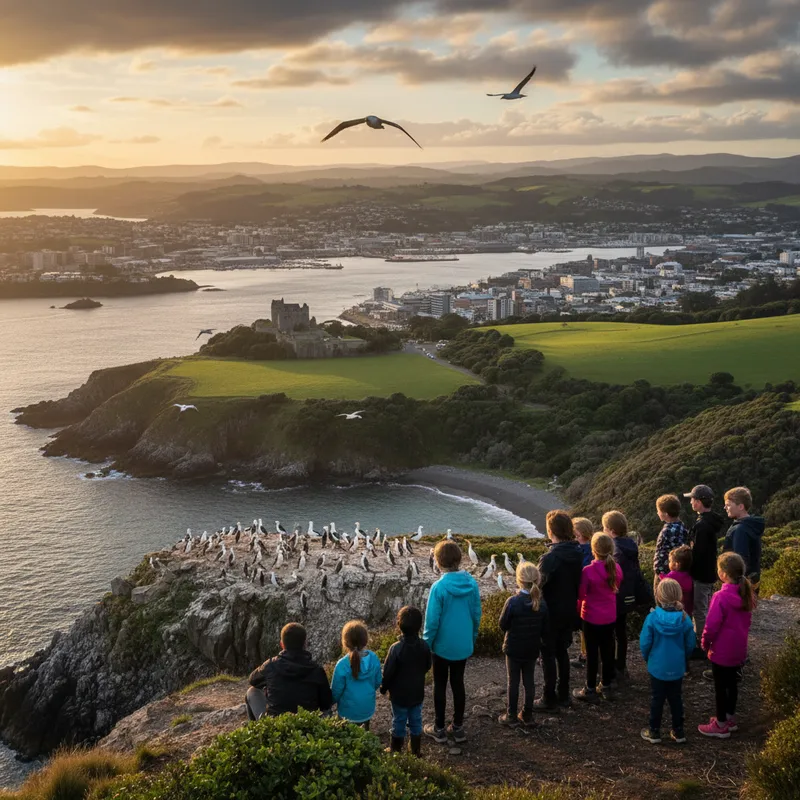
For those hoping to catch a glimpse of the rare yellow-eyed penguin, or hoiho, Clearwater Wildlife Tours is running its 'Wild One Tour' with a focus on smaller groups for a better viewing experience. These tours also offer the chance to see New Zealand fur seals and sea lions in their natural habitat. The future of the hoiho is of significant conservation concern, making such responsible viewing opportunities particularly valuable. The Royal Albatross Centre at Pukekura/Taiaroa Head will also be running express tours, giving visitors a chance to see the majestic northern royal albatross.
For the more adventurous, the festival kicks off early with a 'Wild Swim' on Sunday 5 April at the Portobello Jetty, where swimmers can take a chilly dive and circumnavigate Pudding Island/Titeremoana with The Sunday Swim Squad.
A celebration of art, culture, and nature
The festival also explores the intersection of nature, art, and culture through a series of exhibitions and displays. The Tūhura Photography Exhibition, held in the Special Exhibitions Gallery at the Otago Museum, will showcase the best images from the 2026 Tūhura Photography Competition, which attracted over 5,000 entries from across the country.
At the Waikouaiti Coast Heritage Centre, local photographer Zenobia Southcombe presents 'Garden to Coast: Wildlife of East Otago,' a mini-exhibition capturing the magic of nature from backyards to the coastline. Meanwhile, the Dunedin Public Art Gallery's 'Over the Moon' exhibition invites visitors to ponder the universe, and Toitū Otago Settlers Museum’s 'Gold Gold Gold' exhibit considers the foundational impact of the gold rush on Dunedin's development into a bustling boomtown.
Further enriching the cultural programme is a special exhibition from book illustrator Sheryl Black at the Dunedin Railway Station and the quirky Dunedin Museum of Natural Mystery, which houses a private collection of bones, bone art, and other curiosities.
Special events and community participation
Beyond the daily events, the festival is punctuated by special one-off experiences. The official Opening Night on Friday 10 April will feature the popular '7 x 7 Wild Talks,' where seven speakers will share their nature-inspired stories in seven minutes each. The following night, acclaimed musician Don McGlashan will host 'Pitch Choir,' a unique singing event. The city's vibrant live music scene is a big draw, with venues across the region offering full calendars, similar to how Auckland's Arch Hill has a packed schedule of winter gigs.
Other key events include the 'NatureDome' on 12 April, a 360-degree cinematic experience, and the glamourous 'Wild Night Masquerade Gala' on Friday 17 April. The festival will officially conclude on Sunday 19 April with the 'Wild Ride,' a family-friendly cycling event along the picturesque Otago Harbour cycleway, encouraging participants to spot wildlife along the way.