
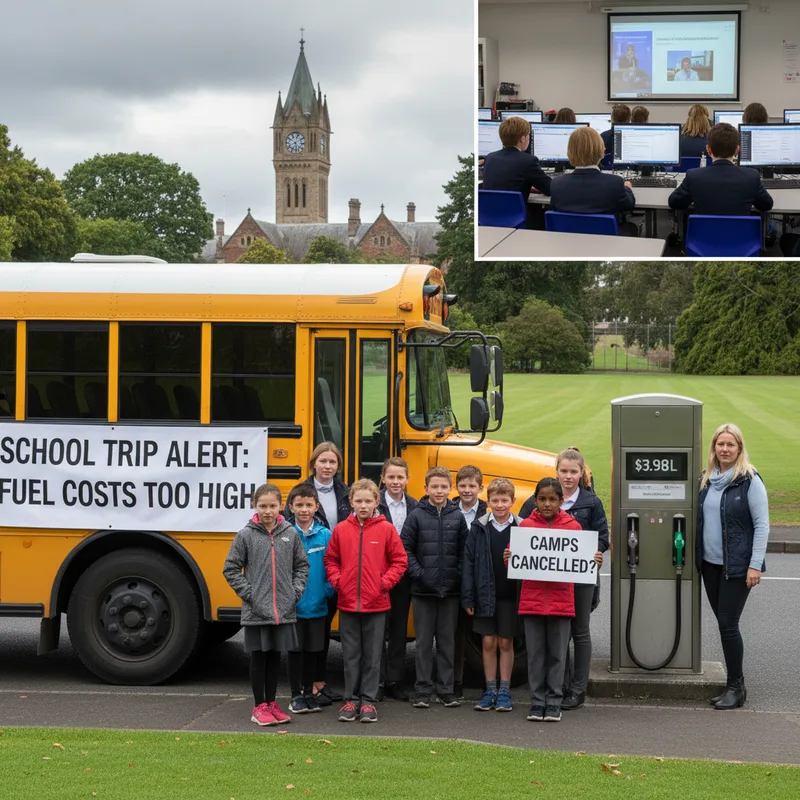
Otago schools are grappling with the imminent threat of cancelling beloved school camps and educational trips as fuel prices soar towards $4 a litre, prompting the Ministry of Education to consider distance learning as a potential fuel-saving measure.
The escalating cost of petrol, driven by ongoing geopolitical instability, is forcing school leaders across the region to reassess their budgets and the viability of activities central to the New Zealand curriculum. For many, it brings back unwelcome memories of the disruptions caused by the Covid-19 pandemic, but with a new economic reality at its core.
Local principals say they are in a holding pattern, waiting for clear directives from the government as they face mounting financial pressure. The uncertainty is making it difficult to plan for terms ahead, where Outdoor Education (EOTC) activities are usually a cornerstone of student learning and development.
Principals voice growing concern
The financial strain is being felt from rural schools to urban centres. Lawrence Area School principal Dave Bagwell said his school and others are looking for direction from the Ministry. While short-term cost increases over a few months could potentially be absorbed, a prolonged crisis would be untenable without support.
"If it’s a short term, if it’s two or three months, we can probably wear those costs," Mr Bagwell said. "But I see the government have planned for a year of assistance to low-income [people]. Well, if that’s the sort of scale they’re thinking about, they probably need to be thinking about how do they support everyone else over the term of a year or until when the prices come down."
People keep likening this to Covid. I think it’s the same but different, but in that situation we’ve got very, very clear guidance around what we should be doing.
Mr Bagwell noted that practical conversations were already under way among staff, such as teachers who commute long distances considering carpooling. For schools like Lawrence, located in a smaller community, travel is an unavoidable part of school life, not just for camps but also for sports, cultural events, and specialist technology classes in larger towns.
Ministry prepares contingency plans
The Ministry of Education has confirmed it is monitoring the situation closely and has a provisional plan for remote learning to help conserve fuel if required. However, it stresses that this is a measure of last resort.
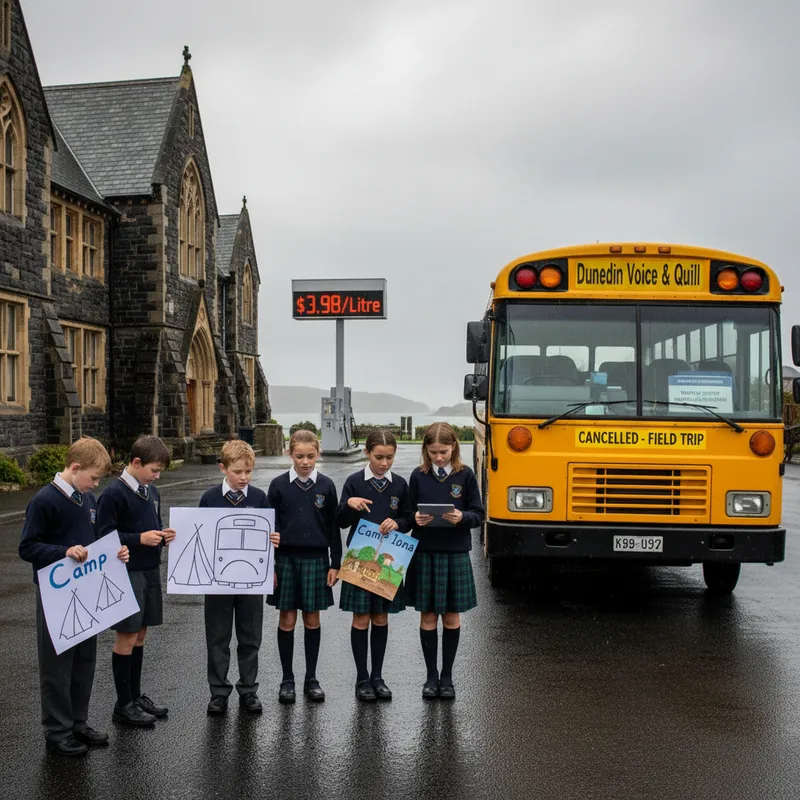
Ministry group manager for operational standards, Helen Hurst, said that national fuel security planning is led by the Ministry of Business, Innovation and Employment (MBIE), but the education ministry was preparing for all eventualities. "It is, however, early days and the current settings haven’t changed. Schools and early learning providers should continue to operate as normal," she said.
Ms Hurst was quick to reassure parents and educators that the response would not be a direct repeat of the pandemic lockdowns. "Distance learning is a last resort. We have more options available to respond than we had under Covid-19 restrictions," she explained. "As part of our planning, we are looking at a range of options to support students’ access to learning should this become necessary." This could include a mix of in-person and remote options tailored to regional needs rather than a nationwide shutdown.
In Dunedin, Otago Boys’ High School rector Richard Hall said that while the fuel crisis was affecting everyone, he had not yet seen a significant impact on attendance. He noted that for his school, which has a large number of pupils living in its hostel, the daily commute is less of an issue. "With our hostel families, most of the boys stay in seven days a week. So going backwards and forwards is not really a problem for them," Mr Hall said. However, the rising cost of bus hire for sports and curriculum-related trips remains a significant concern. The structure of school communities, whether they are urban, rural, or have boarding facilities, will play a large role in how they are affected.
The broader impact on communities
The pressure on schools is a reflection of a wider cost-of-living crisis impacting Otago families. South Otago High School acting principal Rick Gerlofs said the price of fuel is impacting "everybody in the community" and "making things a wee bit tougher."
For many families, the additional cost of driving children to school, let alone contributing to expensive school trips, is a burden. This raises significant equity concerns, as students from low-income or rural families may be disproportionately disadvantaged. The potential loss of these opportunities can have a profound impact, as they are often formative experiences that build confidence, teamwork, and practical skills. The value placed on public services and how they are funded is a growing concern for many, as reflected in recent surveys on council performance.
The cancellation of school trips and camps would also have a significant ripple effect on the local economy. Outdoor education providers, bus companies, and accommodation providers in popular locations like the Catlins or Central Otago rely heavily on school bookings. A downturn in this sector could threaten local jobs and businesses already navigating a challenging economic environment. These issues resonate with wider political discussions, such as the upcoming by-election in Papatoetoe where cost of living is a key voter concern.
What is at stake
Education outside the classroom is a vital component of the New Zealand curriculum, designed to provide students with hands-on experiences that are impossible to replicate in a classroom or via a screen. These activities range from local trips, such as a geography class visiting the St Clair seawall to study coastal processes, to multi-day camps focusing on biology, hiking, or leadership skills.
The loss of these experiences would create a significant gap in students' education, impacting their social development and connection to the world around them. For many students, school camp is their only opportunity to experience certain outdoor activities or visit different parts of the country. These trips are often cited by students as their most memorable and impactful school experiences.
While schools await further information, the focus remains on maintaining normal school life as much as possible. "Right now, we expect students are attending schools and providers as usual," Ms Hurst said. "We will work with MBIE and the sector as necessary to communicate with schools, early learning and tertiary providers in a co-ordinated and transparent way if the situation changes."